 |
Newsletter #5 September-December 2025 |
|
 |
Highlights |
|
|
Learning, Networking and Capacity Building |
|
Our team continued to design and implement programmes, initiatives and events in close cooperation with partners, from the Italian, French and Irish Governments, to long-standing cooperation with the College of Europe, the National Center for Public Administration of Greece (EKDDA), European University Institute, Hertie School, Croatian Ministry of Foreign and European Affairs and National School of Public Administration, SIGMA, OECD, UNESCO, Oxford Business School, Belgian Federal Office for Public Service (BOSA), UNDP, the regional intergovernmental organizations and many more.
|
European Integration and Accession Negotiations
|
continued to strengthen the capacities of public servants involved in the EU accession process and further enhanced their skills and knowledge related to EU policies and acquis implementation, the phasing-in approach, accelerated integration, the new Growth Plan, and the renewed enlargement momentum. These topics were addressed through a series of targeted capacity-building activities, including: |
|
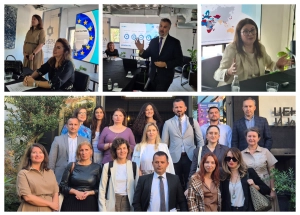 |
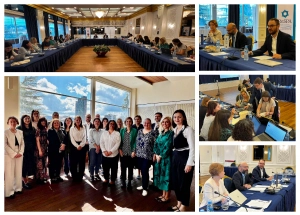
In September 2025, we brought together 20 civil servants from the Western Balkans for a Cluster 6 training, which enhanced the Western Balkans’ negotiation capacities in external relations and security. The two-day training module was dedicated to the external relations of EU accession negotiations, covering Chapters 30 (External Relations) and 31 (Common Foreign, Security, and Defence Policy). It focused on key aspects of external relations, alignment with EU foreign and security policy, and institutional preparedness for managing accession negotiations in the area of EU common policies. |
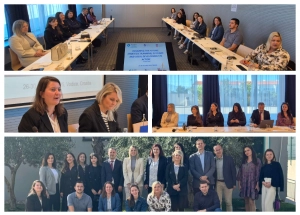 |
In October, we launched the Seasonal School on Strategic Planning, EU Funds, and Local Development in Action, a four-day programme developed in cooperation with the Croatian Ministry of Foreign and European Affairs (MFEA). Targeting senior public officials from across the Western Balkans, the programme aimed to strengthen capacities in regional development, strategic planning, and the effective use of EU funds, drawing on Croatia’s experience as an EU Member State. |
 |
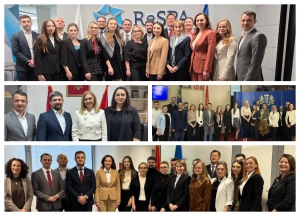
In September 2025, partnering with the Hertie School, we delivered a joint Executive Education Programme “Strategic Communication for EU Integration”, designed to enhance civil servants' ability to develop and implement effective communication strategies, counter misinformation, and engage citizens on EU-related reforms. Over two days, participants examined practical approaches to communicating reforms credibly, building public trust, and strengthening institutional resilience to disinformation. |
 |
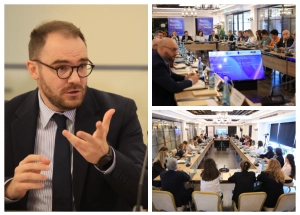
In November, in cooperation with GIZ Moldova, we organised an Executive Training and Study Visit in Montenegro for 15 Moldovan civil servants from the Ministry of Justice of the Republic of Moldova, the Ministry of Internal Affairs of the Republic of Moldova, the State Chancellery of Moldova and the Office for EU Integration working on Chapter 23 and 24 portfolios. The programme provided an in-depth overview of the EU institutional framework, decision-making processes, and good practices for coordinating accession-related reforms. Through direct engagement with Montenegrin institutions and experienced practitioners, participants examined the institutional, legal, and policy frameworks required to align national systems with EU standards. |
 |
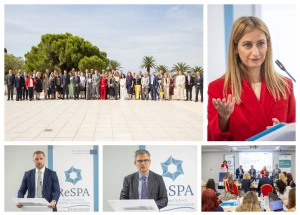
In September 2025, ReSPA contributed to the High-Level Seminar “Implementation, Monitoring and Evaluation Experience in the Context of the Recovery and Resilience Facility and the Reform and Growth Facility.” Our Programme Coordinator, Genti Xhaxhiu, took part in the panel on Reform Delivery and Governance, highlighting the critical role of strong public administrations in accelerating EU integration and ensuring the effective implementation of performance-based instruments, including the Reform and Growth Facility. |
Policy Management, Better Regulation and Simplification
|
delivered a range of strategic activities aimed at strengthening governance and reform processes across the Western Balkans, including: |
|
 |
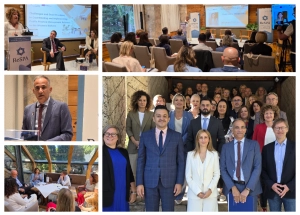
Bridging justice and governance in the Western Balkans: A regional conference advancing the rule of law and public administration reform, jointly organised with the SIGMA Programme and the Council of Europe, brought together public administration authorities, administrative courts, and international experts to tackle key challenges at the intersection of public administration reform and the rule of law in the Western Balkans. In the first week of September, participants addressed pressing issues, including the enforcement of administrative court judgments, mitigating the financial impact of lost cases, the role of mediation in administrative justice, and insights from the case law of the European Court of Human Rights. Judges, senior officials, and experts from the region and the EU exchanged experiences and explored innovative approaches to strengthening resilient, transparent, and accountable administrative systems. |
 |
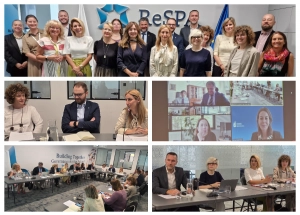
Held in September, the Regional Conference “Challenges and Good Practices in Coordinating and Implementing Public Finance Management (PFM) Reforms in the Western Balkans”, organised in cooperation with the Ministry of Finance of Montenegro, SIGMA/OECD, the International Monetary Fund (IMF), and the Center for Excellence in Finance (CEF), brought together policymakers, experts, and practitioners from across the region and addressed shared regional challenges in the design and implementation of PFM reform strategies, drawing on insights from the 2024 SIGMA monitoring reports. |
 |
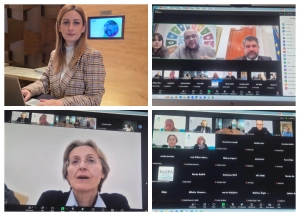
Held in September, the Programme Committee Meeting brought together senior public administration officials and ReSPA Governing Board members to reflect on strategic achievements and to shape priorities for future cooperation in public administration reform (PAR) and EU integration. The discussions highlighted the key institutional accomplishments while looking ahead to the new priorities set out in the draft European Commission Action Grant Proposal 2026–2028, which introduces updated programmatic focus areas and strengthened instruments for providing direct support to the region. |
 |
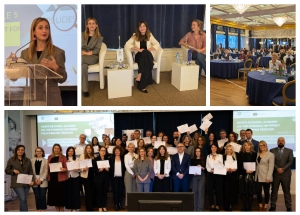
In December 2025, a virtual regional webinar “Administrative Simplifications in the Western Balkans: Public-Business Sector Cooperation” brought together participants from public administrations and business associations across the Western Balkans. The event explored how simplifying procedures and reducing administrative burdens can enhance public service delivery, foster innovation, and improve the competitiveness of the regional business environment. |
 |
In November, we hosted the Closing Module of the Regional Academy on Evidence-Informed Policymaking, marking renewed regional commitment to transparent, EU-aligned governance. Titled “Regulatory Impact Assessment for Effective Policymaking,” it marked the culmination of a three-year regional journey dedicated to strengthening policymaking capacities across the Western Balkans. The module focused on the Regulatory Impact Assessment (RIA) - a cornerstone of transparent, evidence-based policymaking, more precisely in presenting the RIA framework and its relevance in both Western Balkan and EU contexts; offering hands-on training in developing RIA reports, and encouraging peer learning and regional collaboration among RIA practitioners. |
Human Resources Management and Professional Development
|
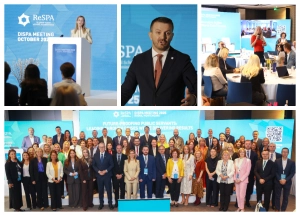
continued to modernise public administration practices and build future-ready capacities. Notably, our team hosted the DISPA Meeting and delivered a two-day training programme entitled “Responsible Use of Artificial Intelligence in Public Administration- The Art of Prompting,” which enhanced civil servants’ competencies in the ethical and responsible use of AI, with a focus on prompt engineering, practical applications, and transparency. In addition, we organised the regional conference on leadership: |
|
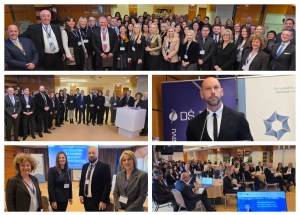 |
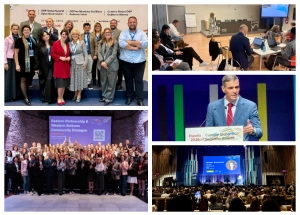
In December, jointly with the Croatian National School of Public Administration, we gathered nearly 100 public administration leaders, experts, and institutions from the Western Balkans, the EU, and partner countries in Zagreb for the 2025 Leadership Conference “From Insight to Action: Co-Creating Leadership for Public Administration.” Over two days, participants engaged in high-energy panels, interactive sessions, co-creation labs, and group work focused on designing a Regional Leadership Programme and launching a Regional Community of Learning to sustain long-term cooperation. |
Digital Transition
|
Within the Service Delivery thematic area, our team has driven digital transformation in public administration by advancing cybersecurity, open data, open government, and the responsible use of AI through a dynamic portfolio of high-level events, targeted trainings, and knowledge exchanges. Through these initiatives, ReSPA has strengthened public sector capacities and deepened regional and international cooperation, while positioning the Western Balkans as a proactive and credible contributor to global policy discussions on AI, cybersecurity, data governance, and digital transformation: |
|
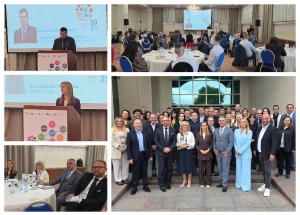 |
Held in September, the 2025 edition of the Seasonal School on Digital Transformation, jointly organised with the SIGMA Programme and the GIZ Regional Project “Public Administration Reform in the Eastern Partnership Countries”, focused on the theme “Artificial Intelligence and Machine Learning for Public Administration.” The programme aimed to support governments in the Western Balkans and the Eastern Partnership in advancing public administration reform, digital transformation, and good governance in line with EU standards. Over three days, the School brought together more than 40 senior public officials from 10 administrations, alongside over 30 experts and practitioners, to strengthen participants’ knowledge, skills, and strategic foresight needed to navigate the rapidly evolving AI landscape. |
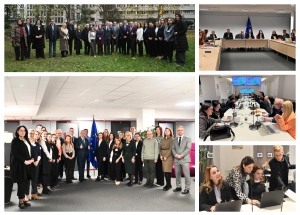 |
Held in December, the 3rd Data Protection High-Level Exchange and Learning Week, jointly developed by the European Commission (DG JUST), European Data Protection Supervisor, SIGMA Programme, the Regional Cooperation Council (RCC), ReSPA, and GIZ Eastern Partnership Regional Project, once again demonstrated the strength of regional cooperation and the growing importance of data protection amid rapid technological change. Organised in partnership with the European Commission, the event took place at the premises of DG Justice, the European Data Protection Board (EDPB), and the European Data Protection Supervisor (EDPS). It provided a high-level platform for institutions and experts from the WB and the EaP to exchange experiences and engage directly with leading European authorities on data protection and emerging technologies. |
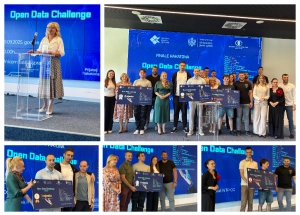 |
In September 2025, the Open Data Challenge Hackathon in Podgorica brought together young innovators who showcased how open data can drive societal development and improve public sector performance through creative, technology-driven solutions. Organised in collaboration with the Chamber of Commerce of Montenegro and the Ministry of Public Administration, with our support, the event marked an important step in promoting digital transformation, strengthening public–private collaboration, and empowering the regional innovation ecosystem. |
 |
In October, our team actively supported the participation of OGP Points of Contact from the Western Balkans at the OGP Global Summit 2025, ensuring strong regional visibility at the global level. Through a high-level panel on “Public Integrity, Transparency and Ethics,” a dedicated side event, participation in the panel session “From Concept to Practice: The Global Rise of Open Government Training,” as well as regional and joint meetings with Western Balkan and Eastern Partnership counterparts, ReSPA fostered dialogue between regional and global administrations on advancing open governance and digital transformation. |
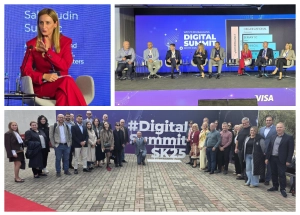 |
The Western Balkans Digital Summit 2025 brought together ministers, international partners, private-sector leaders, and digital experts, reaffirming the region’s shared commitment to a connected digital future. ReSPA and GIZ hosted a panel on interoperability, gathering over 40 participants from 10 public administrations across the Western Balkans and the Eastern Partnership. The session provided first-hand insights into the latest developments of the Western Balkans Digital Transformation Agenda, while promoting peer learning, regional cooperation, and institutional connectivity. |
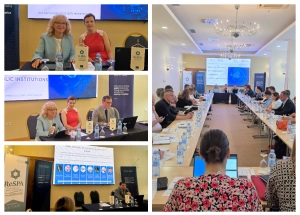 |
In September 2025, ReSPA supported the regional training “Cybersecurity Standards in Public Institutions” under the Programme for Good Governance in Cybersecurity in the Western Balkans, developed by the Geneva Centre for Security Governance (DCAF), the Western Balkans Cyber Capacity Centre (WB3C), and the UK-based Geneva Centre for Security Sector Governance. Over the course of two days, senior experts and practitioners shared knowledge and practical tools to enhance cybersecurity governance and institutional resilience across public administrations. |
 |
In November, the Winners from the last cycle of the Western Balkans Public Administration Award reached the final, inspiring chapter of their award journey - one marked by discovery and a shared vision for a stronger, smarter, and more citizen-centred public administration across the region. The study visit in Sweden and Denmark was more than a professional milestone - it was a deep dive into the very future of public service. The programme exposed participants to the latest digital pathways in Europe, ranging from AI in public administration to digital wallets, the green digital transition, and the seamless delivery of services through user-friendly digital platforms. |
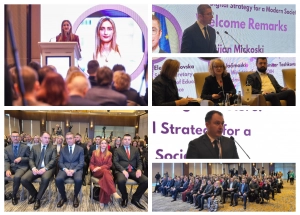 |
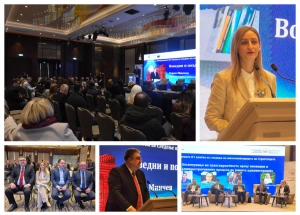
In December, we supported the high-level panel discussion “Transforming the Future: Digital Strategy for a Modern Society”, dedicated to advancing the implementation of North Macedonia’s National ICT Development Strategy SMART/MK 2030. Adopted by the Government in October 2025, the Strategy provides a comprehensive framework for digital transformation aligned with the priorities of the EU Digital Europe Programme. Senior policymakers, EU representatives, public administration leaders, academics, and business representatives explored how coordinated institutional action can translate strategic priorities into measurable results. |
 |
Reaffirming our commitment to strengthening public administration across the Western Balkans, particularly in North Macedonia, in December, our team supported the promotion of a newly upgraded IT tool designed to monitor the implementation of the PAR Strategy 2023–2030. The event brought together representatives from ministries, civil society, academia, international organisations, and the diplomatic community to discuss the role of digital solutions in enhancing transparency, efficiency, and accountability in public administration. |
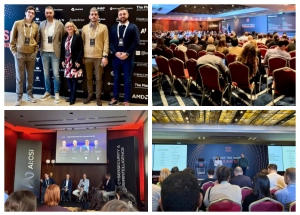 |
In November, our team supported public servants from the Western Balkans to participate in the DSC Europe 2025 conference, engaging in a specialised programme aligned with regional priorities in digital government and AI governance. Rich selection of sessions tailored to the public sector encompassed important topics such as “AI for Public Good”, “From Zero-Click Government to Agentic AI,” “Cybersecurity for Governments,” “Building Serbia’s AI-Ready Digital Ecosystem,” “AI in Labour - Human vs Machine,” and more. |
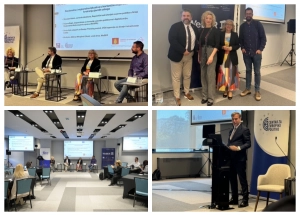 |
Our team enriched various conferences devoted to digitalization issues, from the conference “Citizens First - Towards User-Oriented Public Services in Serbia” (November) within the project Western Balkan Enablers for Reforming Public Administrations - WeBER 3.0, over the panel “Meta-register and Interoperability - The Key to Digital Transformation of Public Administration” (September), underlining that digital transformation is not just about systems, but about people, their skills, motivation, and capacity to drive change, highlighting the role of civil servants, global cooperation, and Schools of Government as key enablers of sustainable and people-centred digital transformation in the Western Balkans and beyond. |
|
The Regional Quality Management Centre (RQMC) within ReSPA undertook numerous activities: |
|
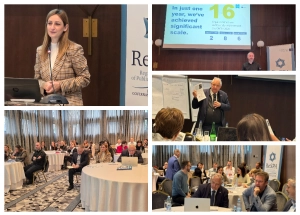 |
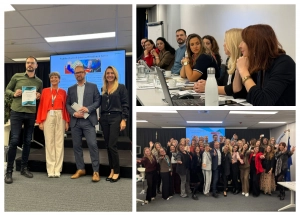
In December, the Regional Quality Management Centre team held its 5th Annual Meeting, gathering a network of quality management practitioners, CAF Network members, EFACs, experts, and public administration institutions from across the Western Balkans. The meeting marked a step forward in consolidating a regional approach to quality management and fostering the long-term cooperation necessary for sustainable public administration reform. Since its establishment in 2021, the RQMC has served as the region’s key platform for exchanging expertise, supporting QM systems, and promoting continuous improvement, and the 2025 meeting further reinforced this mandate. |
 |
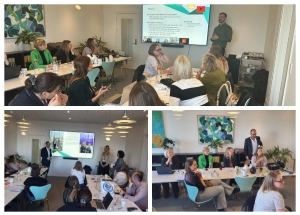
ReSPA’s RQMC showcased regional QM expertise at the CAF Excellence Recognition (CER) Training. Held in October and designed for National CAF Correspondents and External Feedback Actors, it focused on understanding and implementing the updated CAF External Feedback Procedure. Key topics included the CER process, recognition levels, evaluation criteria, and the roles and responsibilities of key actors involved. Participants engaged in practical exercises, discussions on compliance issues, and methods to effectively align CER requirements with organisational practices. ReSPA enriched the event by facilitating the participation of two representatives from each ReSPA Member. |
 |
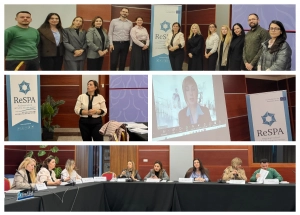
At the CAF National Correspondents Meeting, the RQMC team positioned ReSPA as a leading force in driving the Western Balkans toward excellence at the EU level. In October, national correspondents and key representatives from the European CAF Resource Centre and EIPA discussed the latest developments in CAF implementation, the upcoming CAF External Feedback (CER) training, and preparations for the Quality Conference 2026. Our team contributed to the exchange of experiences during the country updates session and engaged in working groups focused on updating CAF, refining CER guidelines, and shaping the future of the Quality Conference. The meeting reinforced ReSPA’s role as a regional driver of quality management in public administration and as a bridge between Western Balkans administrations and the European Administrative Space. |
 |
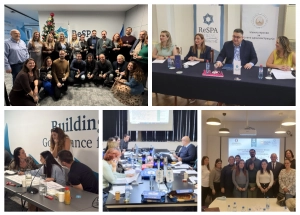
In November, in cooperation with the Albanian School of Public Administration (ASPA), we organised a Common Assessment Framework (CAF) Info Day aimed at boosting awareness and practical use of the European Total Quality Management framework within Albania’s public sector. The event brought together national, regional, and EU-level experts and practitioners to explore the role of Quality Management and the CAF Model in driving excellence, accountability, and continuous improvement across public administrations in the Western Balkans. |
 |
CAF continues to gain strong momentum across the Western Balkans, with eight institutions now successfully implementing it. In recent months alone, eight public institutions across the region have successfully implemented CAF, with additional institutions currently preparing to follow this path. This growing uptake confirms CAF’s role as a strategic tool for enhancing governance, reinforcing organisational performance, and embedding a culture of continuous improvement within public administrations. Through CAF implementation, institutions across the region have reported tangible improvements in internal processes and procedures, stronger teamwork, and a more systematic approach to excellence in public service. |
|
Projects with EU Partners |
|
The ReSPA team has established strong partnerships that form the foundation for collaboration with EU partners, linking public institutions across the Western Balkans with their counterparts in the European Union. Through joint projects with EU partners, ReSPA has not only strengthened the skills and capacities of civil servants but also fostered enduring institutional ties with EU counterparts, reinforcing regional integration and knowledge exchange. |
Capacity building and mobility supported by the Italian public institutions
|
In partnership with the Italian National School of Administration (SNA), the European University Institute (EUI), and the Department of Public Administration, the ReSPA team crafted a programme funded by the Italian Ministry of Foreign Affairs and International Cooperation. Over the two programme cycles, more than 100 public servants participated in this transformative journey, which combined intensive training modules, study visits, and peer exchanges with Italy’s top public administration bodies. The first cycle kicked off in Podgorica in April 2024 and was followed by numerous activities. The Second Cycle began in April 2025 in Bari, focusing on European Governance & Affairs, the EU Single Market, and Human Resources Management & Performance Appraisal. Alongside the kick-off conference, participants joined a learning exercise and a Summer School on EU Policy, Enlargement and Reform, designed jointly by EUI and ReSPA. The journey continued in SNA, exploring and Assessing Competency Models with Italian Partners. During the last quarter, we concluded the 2nd Cycle and kicked off the 3rd Cycle of the Programme: |
|
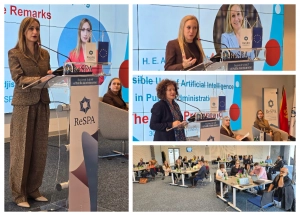 |
In October, in cooperation with the National School of Administration (SNA) of Italy, the ReSPA team hosted a two-day training session aimed at providing the latest updates on cutting-edge skills for the responsible and effective use of AI in governance. |
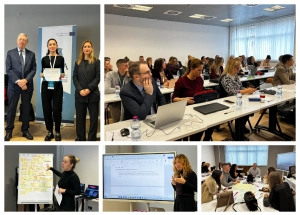 |
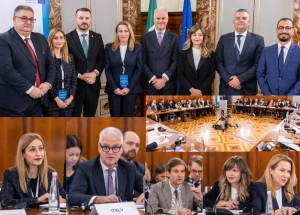
In November, we hosted the final event of the 2nd cycle of the programme, the workshop “Strategic Foresight in Governments.” The activity aimed to strengthen forward-looking governance across the Western Balkans, combining an online introductory course on Anticipatory Innovation Governance and Strategic Foresight (November) with a three-day in-person programme held in Rome (November). The initiative equipped public officials with tools to anticipate emerging policy challenges and to apply structured foresight approaches in their respective administrations. |
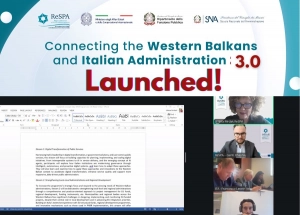 |
In partnership with the Italian School of Administration (SNA), the Italian Ministry of Public Administration, and with the continued support of the Italian Ministry of Foreign Affairs and International Cooperation, the Italian Ministry of Public Administration we have launched the third edition of the Public Servants’ Capacity Building & Mobility Programme, to be implemented during 2026. Now entering its third consecutive year, the programme represents a strong and growing partnership between the Western Balkans and Italy, focused on strengthening public administration capacities, fostering regional cooperation, and supporting EU integration processes. |
Ireland for EU enlargement
|
The three-year programme, led by Ireland’s Institute of Public Administration (IPA) in partnership with ReSPA and funded by Ireland’s Department of Foreign Affairs and Trade (DFA), empowers senior public leaders from the EU accession aspirants as they progress towards EU membership, fostering cross-border collaboration and supporting participants in aligning national reforms with EU standards. The implementation of the Programme started in September 2025 for Albania, Montenegro, Moldova, and Ukraine, focusing on three technical streams: 1) Economic Transition, Investment, and Competitiveness; 2) Digital Transformation of Public Administration and 3) Justice, Integrity, and Rule of Law, with Leadership as a cross-cutting issue. |
|
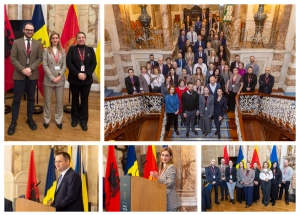 |
Dublin Module of the Programme "Leading for Impact”, held in November, empowered participants with practical leadership tools while exposing them to comparative practices from Ireland. Through integrative thinking labs, design clinics, and on-site institutional visits, participants explored Ireland’s approach to EU membership, evidence-based policymaking, and public sector innovation. |
|
Mechanisms of Direct Support |
|
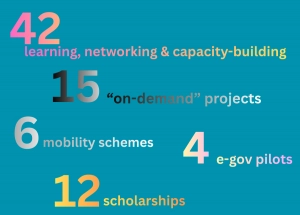
“On-demand” instruments enable an agile approach to current needs, building on the positive experience and increased uptake of such applications, as well as the updated methodology. A total of 15 projects are currently at various stages of implementation across the PAR Strategic Framework, policy development, HRMD, innovations in public administration, and digitalisation.
In Bosnia and Herzegovina, we completed five projects, with one additional project scheduled for implementation in the upcoming period. 1. Establishing a sustainable system of knowledge and support around the European Programme for Employment and Social Innovation (EaSI) Beneficiary institution: The Ministry of Civil Affairs Implementation: 8 regional workshops across BiH (covering state, entity, cantonal, and municipal institutions, employment offices, social centres, NGOs, SMEs, etc.), provided practical training modules on EU programmes, project design, and EaSI application processes. Achieved results: Empowered civil servants dealing with EaSI 2. Development of a computer programme to assist Associations, Foundations and Offices of Foreign Non-Governmental Associations (NPOs) in the procedure of registration in the register of the MoJ Beneficiary: Ministry of Justice Implementation: Supporting the digitalisation of the NPO registry by the development of an e-tool for the registration of associations, foundations, and non-profit organisations. The second phase, which focuses on issuing electronic payment statements, is currently underway. Achieved/Expected results: A digitalised and transparent process of NPOs registration in the register of the MoJ 3. Improvement of functionalities of the online recruitment platform “eKonkurs” Beneficiary institution: Civil Service Agency, Government of the Federation of BiH Implementation: Improving the functionalities of the online recruitment platform “eKonkurs” Achieved result: Upgraded platform with enhanced functionalities, improving its usability, efficiency, and transparency, and contributing to more effective, merit-based, and fair recruitment processes in the public sector. 4. The use of AI in public administration, with reference to legislation and strategic documents governing this area in neighbouring countries and the EU Beneficiary institution: Ministry of Civil Affairs Implementation: Development of detailed implementation roadmaps and the delivery of specialised training modules on AI and data governance. Achieved results: Increased efficiency, transparency, and strengthened citizen trust in public services. 5. Risk Management Training Beneficiary institutions: Secretariat - General Council of Ministers of Bosnia and Herzegovina Implementation: Supporting institutions in managing the risks and opportunities associated with the use of AI in public administration via targeted technical analysis, covering IT partner risk management, vulnerability assessments, and incident response improvements via tailored training for both IT and non-IT staff to build awareness of AI implications. Achieved result: Improved risk management skills of the civil servants The European Commission endorses one project, which will take place during the upcoming period: 1. Update the internal audit methodology for public sector institutions at all levels of government. Beneficiary institution: Coordination Committee of the Central Harmonisation Unit of Bosnia and Herzegovina. Implementation: Revision of the existing framework methodology, providing consultations with the central harmonisation units, and ensuring harmonised internal audit practices across BiH. Expected results: The final methodology drafted and linked to the PAR Strategy, the EU integration agenda, with potential regional replication.
In Montenegro, we finalised the following project activities: 1. Development of methodologies for governance, internal controls and internal auditors in the public sector Beneficiary institution: Ministry of Finance of Montenegro Implementation: Development of the Rulebooks on Governance and Internal Control in Public Sector Entities and on the Methodology of Internal Audit Work in the Public Sector - aligned with the new Global Internal Audit Standards Achieved result: Strengthened governance, improved risk management, and ensured compliance with international standards. 2. Development of Methodology on intern induction and integration into public administration Beneficiary institution: Human Resources Management Authority (HRMA) Implementation: Creating a standardised methodology for onboarding and integrating interns into public administration. Achieved result: Enhancing the quality of internship experiences through better orientation, mentorship, and skill-building, in response to growing interest from young professionals. 3. Assistance in the development of Montenegro’s National Action Plan for the Open Government Partnership (OGP) Beneficiary institution: Ministry of Public Administration Implementation: Experts and methodological support in preparing its National Action Plan for the Open Government Partnership, focusing on strengthening transparency, accountability, civic participation, and the use of digital tools in public administration. The assistance covered stakeholder consultations, prioritisation of reform areas, formulation of measurable commitments, and alignment with OGP standards and EU good practices. Achieved result: Montenegro developed a coherent, results-oriented Action Plan with clear responsibilities, timelines, and indicators, supporting more open, participatory, and digitally enabled governance. 4. Support in Drafting the Law on Health Data Collections Beneficiary institution: Ministry of Health Implementation: Support in development of a modern legal framework for health data management by reviewing the existing Law on Health Data Collections and drawing on international best practices and regional legal comparisons to design context-appropriate solutions. Achieved result: Contributing to drafting a new Law on Health Data, ensuring a balanced approach to data protection, healthcare system needs, regulatory compliance, and interoperability. 5. Improving Administrative Capacities in Quality Management in Public Administration Beneficiary institution: Ministry of Public Administration Implementation: targeted workshops that cover various needs and development of guidelines for the coordination of the Quality Management Unit within the Ministry of Public Administration. Achieved result: Strengthened institutional capacities in the QM - improved coordination, clearer quality management practices, and enhanced administrative capacities within the public administration. 6. The implementation of the CAF Self-Assessment Model in five public administration institutions Beneficiary institutions: the Agency for Personal Data Protection and Free Access to Information, the Secretariat for Local Self-Government and Cooperation with Civil Society Organisations of the Capital City of Podgorica, and the Ministry of Energy and Mining, the Ministry of Public Administration Implementation: CAF implementation, including application of the CAF methodology, workshops and training sessions, customised the CAF questionnaire, and assisted the institutions in developing improvement action plans. Achieved result: beneficiary institutions strengthened their capacity to apply the CAF model in practice, improved internal QM processes, and enhanced alignment with national and EU standards, contributing to Montenegro’s public administration reform agenda.
In North Macedonia, the following activities were completed: 1. Support of the development of the new National Strategy for Prevention of Corruption and Conflict of Interest 2026-2030 Beneficiary institution: State Commission for Prevention of Corruption (SCPC) Implementation: Public procurement and Law Enforcement Oversight across the areas: justice, healthcare, transportation, infrastructure facilities, urbanism and spatial planning, environment, energy, and natural resources via peer exchange Achieved result: Final report with recommended concrete integrity measures, activities and indicators, assigned to each of the focus areas of the National strategy 2026-30, with the proposed methods for implementation. 2. Support in upgrading the IT tool for monitoring and reporting on the realization of the PAR Strategy in North Macedonia Beneficiary institution: Ministry of Public Administration Implementation: Upgrading the IT tool for monitoring the implementation of the PAR Strategy 2023–2030, including the end-to-end development of a citizen-facing web portal, enhanced Action Plan management, detailed approval histories, Excel export functionalities, and AI-based narrative reporting. Achieved result: North Macedonia now has a more transparent, user-friendly, and data-driven PAR monitoring system, enabling real-time tracking of reform progress, improved public access to information, and more consistent, evidence-based reporting aligned with strategic and EU-oriented reform requirements. 3. Support for the evaluation and analysis of the Law on the introduction of the QM System and the CAF Beneficiaries: Ministry of Public Administration and Ministry for Digitalisation Implementation: Identifying key gaps and challenges and providing recommendations for improvement, contributing to better alignment with EU standards and best practices in public administration, as well as supporting the objectives of the PAR Strategy 2023–2030 and the EU integration process Achieved result: Assessing the effectiveness, relevance, and efficiency of the legal framework and its application.
In Serbia, we are engaged in a project that is postponed for the upcoming months: 1. Training on the transposition and implementation of Regulation (EU) 2024/1183 – elDAS and elDAS 2.0 Beneficiary institution: Ministry of the Public Administration and Local Self-Government Implementation: The training is designed to cover a broad range of institutions, ensuring that all key stakeholders are equipped with the knowledge and skills necessary to align national frameworks with the new EU regulation. It will be implemented in the near future. Expected result: supporting Serbia in advancing digital trust services, strengthening cross-border interoperability, and enhancing the delivery of secure, citizen-oriented digital public services in line with EU standards. |
|
|
Under the current “eGov Pilots” initiative, the ReSPA team completed four projects that collectively strengthened digital governance, modernised public services, and supported EU-aligned administrative practices across the region:
|
|
Horizontal Facility |
|
Horizontal Facility aims at supporting on an ad-hoc basis the participation of public servants from the region in different regional and international conferences and/or training and/or other similar learning events organised by Institutes of Public Administration of the EU Member States, renowned schools or higher education institutions in EU (private or public) working in the area of public policy, regional partners and other international actors. Throughout this activity, we enabled the participation of 27 public servants from the WBs in the following initiatives: |
|
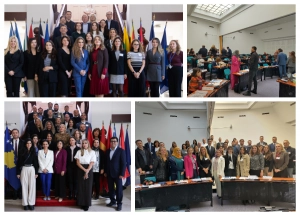 |
In partnership with the French Embassies in the Western Balkans, we enabled eleven civil servants from the Western Balkans to attend INSP’s prestigious short training programmes, including “Risks and Crisis Management at the European and International Levels” held in December. The programme strengthens the capacities and European orientation of Western Balkan civil servants through high-level expert training and peer exchange, with highly positive feedback from the first two sessions. |
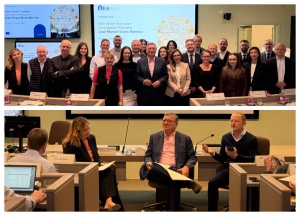 |
In October, our team supported the participation of a senior Albanian civil servant from the Department of Public Administration in the Executive Training Seminar “Unboxing the Commission: Engaging Effectively with the EU” at the European University Institute. |
|
|
In Montenegro, we supported the official launch of the 2nd cycle of the Ready4EU Training Programme, which was developed in collaboration with national institutions to prepare civil servants for future roles in EU and international bodies. The opening ceremony in Podgorica brought together senior government representatives, with ReSPA Director highlighting the programme as a successful model of preparing Montenegro for EU membership. |
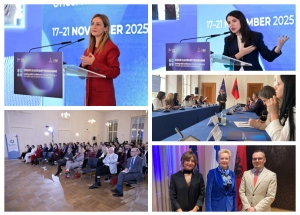 |
In Albania, we provided strong support to the Albanian School of Public Administration (ASPA) and the Ministry of Public Administration and Anti-Corruption in delivering a five-day senior executive training programme, “Leading with Confidence – Decision-Making in Complex and Uncertain Environments,” designed and implemented in cooperation with the French National Institute of Public Service (INSP). The programme trained around 60 senior civil servants through expert-led sessions on crisis decision-making, legal uncertainty in EU law-making, legislative drafting, EU fund management, and leadership, combining comparative European practices with Albanian institutional realities. |
|
Mobility Schemes |
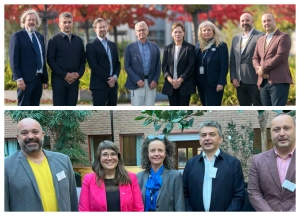 |
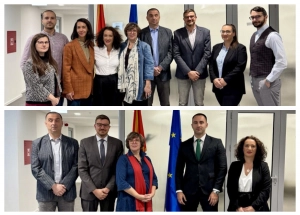
In September, the IDDEEA (Bosnia and Herzegovina) team explored Sweden’s advanced digital wallet solutions as part of efforts to accelerate BiH’s digital transformation, gaining firsthand insight into digital identity wallet development and its practical applications, which directly support the country’s ongoing digital ID initiatives. |
 |
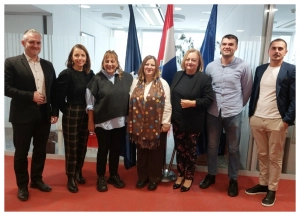
In October, ReSPA facilitated a targeted regional exchange between the Directorate for European Integration of Bosnia and Herzegovina and Montenegro’s Ministry of European Affairs, enabling an in-depth exploration of Montenegro’s EU integration process and its National Programme for the Adoption of the Acquis (NPAA). Through interactive discussions, practical case studies, and peer-to-peer learning, Montenegrin counterparts shared their negotiation structure, coordination models, and approaches to translating European Commission recommendations into concrete reforms. |
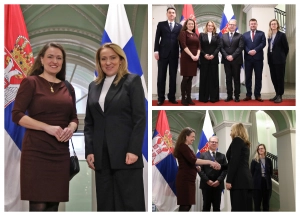 |
In December, a high-level delegation from the Ministry of Public Administration and Local Self-Government of Serbia undertook an official visit to Finland, aiming to advance Serbia’s PAR agenda through peer learning and institutional exchange. Led by Minister Snežana Paunović, the delegation engaged with Finnish counterparts renowned for their achievements in digitalisation, local governance, and public sector management. |
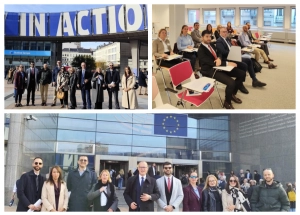 |
In November, five Montenegrin civil servants, participants of the first cohort of the Ready4EU training program, received real-life insights into the work of EU institutions and established a network of contacts with EU civil servants working in Brussels. By observing the practical aspects of administrative work, decision-making, and inter-institutional cooperation, participants consolidated the knowledge they had acquired during training implemented through six modules, providing them with an experiential learning approach gained through meetings organized in the Permanent Mission of Montenegro to the European Union, European External Action Services, European Economic and Social Committee, European Committee of Regions, and European History House. |
 |
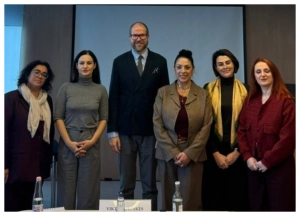
In November, a delegation from North Macedonia conducted a study visit to Croatia to support the drafting of the new Law on the Public Sector Salary System, gaining practical insights into Croatia’s successful unified salary system, including job classification, digitalisation of HR processes, fiscal sustainability, and cross-institutional coordination. Meetings with key Croatian ministries, facilitated by the World Bank Office in Croatia, provided concrete examples of how such reforms are designed and implemented in practice. The experience will directly inform North Macedonia’s efforts to establish a transparent, fair and sustainable public sector salary system aligned with European standards. |
 |
In November, ReSPA supported a study visit to Hungarian institutions for senior Albanian officials from central institutions, including meetings with the Ministry for Foreign Affairs and Trade and other relevant institutions. The visit focused on exchanges related to Hungary’s EU accession experience, coordination arrangements, civil service development, and EU funds management. The visit also included meetings with the National Media and Info-communications Authority and the Ludovika National University of Public Service, as well as visits to the Hungarian Parliament. The visit supported institutional exchanges and ongoing work related to EU integration processes. |
|
Partnership |
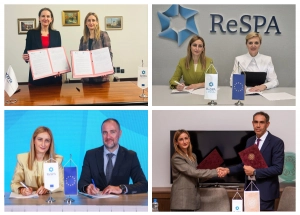 |
ReSPA signed an MoU with CEFTA, Ludovika University, Science and Technology Park Montenegro, and Bulgarian IPA, continuing to flourish synergetic partnerships and join forces to co-design and deliver capacity-building programmes, conduct assessments, facilitate peer-learning, and promote innovative practices in public administration across the Western Balkans and the accession countries and EU member states. |
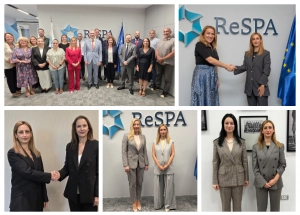 |
Director Handjiska-Trendafilova had a series of high-level meetings that advanced ReSPA`s strategic objectives and strengthened regional and European cooperation, including meetings with Ms Marina Dimovska, General Secretary of the Assembly of North Macedonia, Mr Mathieu Bousquet, Director for Enlargement Coordination, Strategy and Investments at the Directorate-General for Enlargement and Eastern Neighbourhood, Serbian Minister of Public Administration and Local Self-Government, Ms Snežana Paunović, newly appointed Director of the CEFTA Secretariat, MAARI newly appointed Director, Director of TCT Secretariat, and Albanian Deputy Minister at the Ministry for Europe and Foreign Affairs.
|
|
Director Handjiska-Trendafilova also enriched the high-level events, including the Meeting of Ministers for European Integration organised on the occasion of the Growth Plan Leaders` Summit. |
|
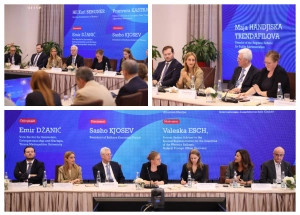 |
ReSPA traditionally enriched the Tirana Connectivity Forum, which brought together senior policymakers, EU officials, diplomats, business leaders and think-tankers to focus on security, competitiveness and accelerated EU accession of the SEE6. In the Roundtable “Implementing Regional Cooperation,” Director Handjiska Trendafilova led a discussion with HE Karl Bergner (German Ambassador to Albania), Pranvera Kastrati (Director of the CEFTA Secretariat), Kevin Bufi (Advisor to the Albanian Prime Minister), and Tanja Bošković (Project Leader, RegioTrade, GIZ). |
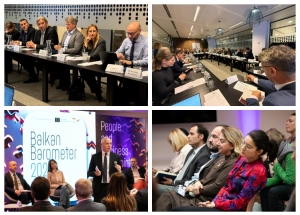 |
Coordination meeting of Regional Ogranizations, hosted by the RCC in December, brought together senior representatives of the European Commission, heads of the international organisations, and representatives of the Government of Montenegro. This strategic gathering offered an important opportunity to reflect on the achievements of the Berlin Process, the Common Regional Market, and the Green Agenda throughout 2025, while strengthening coordination and joint efforts to deliver more impactful outcomes in 2026. ReSPA Director contributed actively to the discussions, presenting ReSPA’s priorities for 2026. |
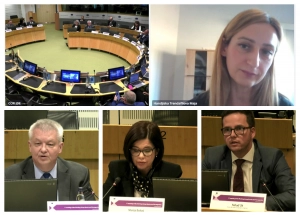 |
At the inaugural Meeting of the European Committee of the Regions' Working Group on Relations with Bosnia and Herzegovina, Director Handjiska-Trendafilova focused on the importance of human capital, underlining: “Ultimately, the success of reforms depends on people - our civil servants, especially at the sub-national level, who are on the front line of service delivery. ReSPA remains committed to supporting its capacity development, particularly in EU funds management, as part of the new EC grant expected in 2026”. |
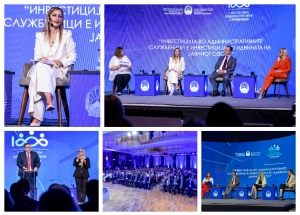 |
At the high-level training event 1.000 Trained Civil Servants hosted by the Prime Minister and Minister of Public Administration of North Macedonia, senior officials, experts, and practitioners came together to exchange views on the future of public administration. One of the central discussions was the transformative role of innovation in governance, which Director Handjiska-Trendafilova delivered an address on, stressing that innovation in public administration is not only about digital tools or modern management methods, but about a profound cultural shift: “Innovation means building institutions that continuously learn, adapt, and improve to better serve citizens”. |
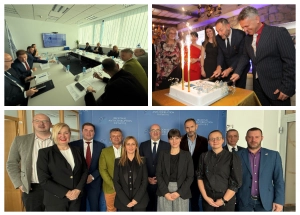 |
During the working meeting with regional partners (organised on the occasion of the RAI anniversary ceremony), high-level representatives of the CEI, RCC, IISG Secretariat, NALAS, AIRE Centre Western Balkans, RACVICAC and UNDOC, including ReSPA Director, underlined their continued commitment to shared values and collective action for a more transparent and resilient region. |
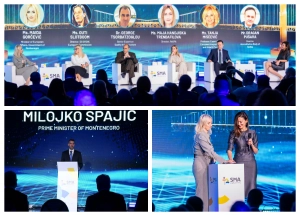 |
The Launch of the Single Market Academy brought together high-level officials and underscored the importance of the Academy in enhancing the capacities of civil servants through targeted training, peer learning, and networking. “By joining forces with GIZ, we can help ensure that the region is ready not only for today’s requirements, but also for the opportunities and responsibilities that full participation in the EU Single Market will bring,” underlined Director Handjiska-Trendafilova. |
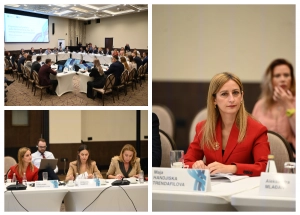 |
The Ministerial Conference on Capacity of Public Administrations for EU Integration and Beyond, organised by the European Commission with support from the SIGMA, gathered ministers, high-level officials, and key partners from the Western Balkans, the European Commission, and the OECD to address the role of public administration reforms in the EU integration process. ReSPA Director engaged with ministers from the region, representatives of the European Commission and the OECD, as well as other partners, to advance collaboration and strengthen regional efforts in public administration capacity building. Several ministers commended ReSPA’s continuous contribution to enhancing the skills and capacities of public administrations across the Western Balkans, noting the positive impact of its initiatives on fostering professional, efficient, and citizen-oriented governance. |
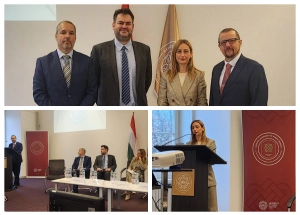 |
The 7th Balkans Conference held in November gathered leading representatives from academia, regional institutions, and public administrations to exchange perspectives on the political, strategic, and socio-economic shifts shaping the Western Balkans. Director Handjiska-Trendafilova emphasised the crucial role of strong and modern public administrations in sustaining stability and advancing reforms across the Western Balkans. She underlined ReSPA’s ongoing efforts to foster regional cooperation, enhance administrative capacity, and support the region’s progressive alignment with the European Administrative Space. |
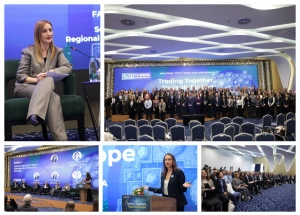 |
During the CEFTA Week, held in December, ministers, senior officials, business leaders, experts, and regional partners gathered to chart the next phase of trade cooperation in the Western Balkans and Moldova to strengthen regional economic integration and accelerate progress “towards Europe.” Director Handjiska-Trendafilova’s intervention highlighted how joint initiatives strengthen public institutions across the region, improving their capacity to deliver reforms that directly support CEFTA’s goals of sustainable growth, seamless trade, and EU convergence.
|
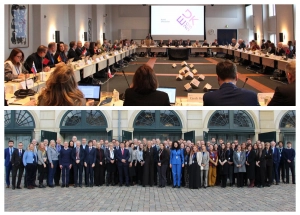 |
ReSPA continued to advocate for and raise awareness of important Western Balkans public administration reform processes at key European forums, including through participation and the presentation of ReSPA's work at the EUPAN Working Level meeting, and active participation at the EUPAN Directors General meeting organised in Copenhagen as part of the Danish Presidency. |
|
Indicative Programme Of Work 2026 |
 |
Programme of Work 2026, providing the directions for supporting human resource development, facilitation of knowledge-sharing, and promotion of structured exchanges with EU Member States to ensure that the region's administrations are equipped to meet European governance principles and standards. |
|
ReSPA Team |
 |
In December, we traditionally sought to symbolically support the wonderful team running the “Rastimo zajedno” (Growing Together) institution and bring joy to the beneficiaries of their institution. We donated New Year’s gifts for the children, receiving a burst of love and positive energy in return, and being endlessly grateful for every smile and every hug! |
|
|
|


This is an automated messsage. Please do not reply to this address.
Click here to unsubscribe.