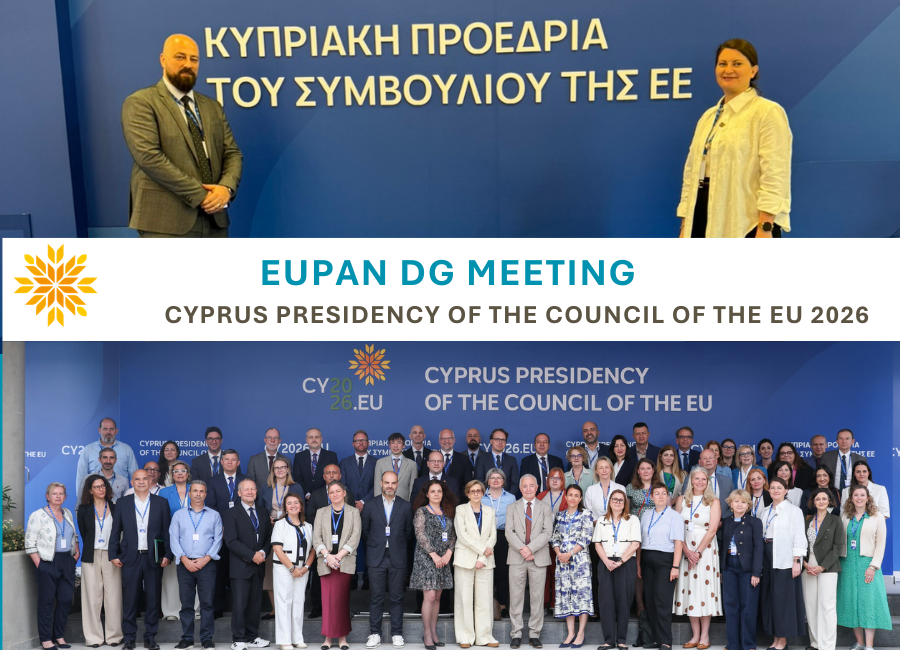


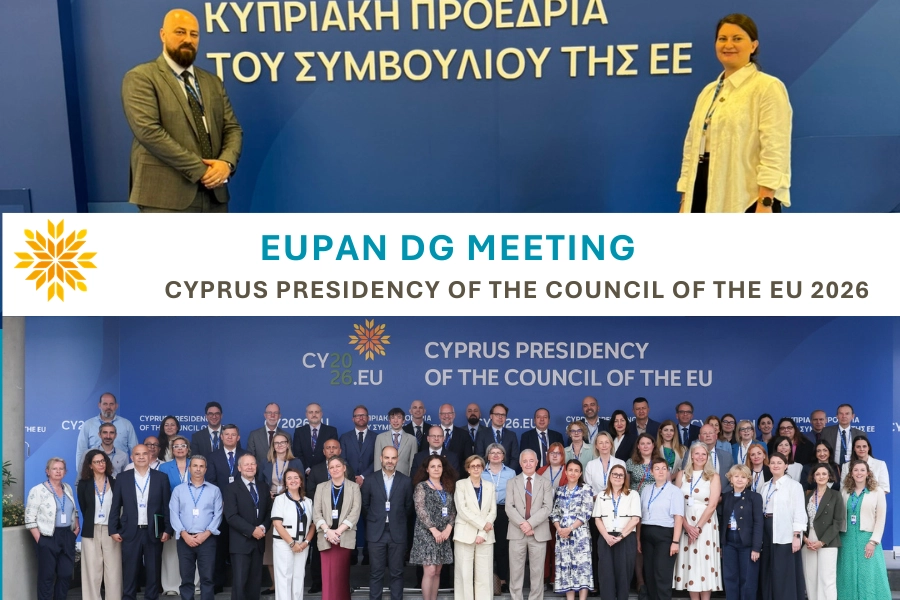
ReSPA at the EUPAN Directors General Meeting in Cyprus
ReSPA representatives participated in the EUPAN Directors General Meeting held on 26–27 May 2026 in Nicosia, Cyprus, bringing the perspectives of Western Balkans and Eastern Neighbourhood administrations to important European discussions on the future of public administration.
The high-level meeting gathered senior public administration officials, EU institutions, experts, and practitioners to exchange experiences and explore innovative approaches to building future-ready public administrations. The agenda focused on key priorities including evidence-based human resources management, workforce transformation, digitalisation, artificial intelligence, citizen-centred services, and strategic workforce planning.
Plenary sessions raised challenges that European public administrations are facing:
- Many public administrations face budget constraints due to rising costs and slowing revenues
- Rising digital expectations mean that citizens now compare administration services to private-sector digital experiences
- Public administrations should promote digital innovations and infrastructure modernization, but that must be followed with workforce transformation
- Services must be modernized, resilience must be enhanced, and digital transformation and partnerships must be forged in order to meet the future challenges
As part of the programme, Boris Ristović, ReSPA Programme Manager – Coordinator and Jelisaveta Tasev, ReSPA Programme Manager – Legal, actively participated in the workshop “Smarter, simpler, better: Reducing administrative burden in public administration”, led by experts from the SIGMA Programme and the Cyprus Ministry of Finance. The workshop explored practical approaches to simplifying administrative procedures, improving service delivery, and reducing unnecessary burdens for citizens and businesses.
In that regard, Boris emphasised the importance of the drivers of administrative simplifications, whether it is coming from the political considerations within the public sector, or as a demand from the public sector beneficiaries, from civil society and/or business support associations. And while their demands might seem different, with NGOs focusing on transparency, accountability and accessibility, and businesses are oriented mainly on simplicity, cost efficiency and predictability, they all refer to the efficient and effective service delivery.
ReSPA’s participation in EUPAN remains highly important for ensuring stronger links between EU member states and public administrations from the Western Balkans and Eastern Partnership regions. Through active engagement in such forums, ReSPA contributes to transferring knowledge, sharing innovative practices, and supporting regional administrations in aligning with evolving European public administration standards and priorities.
Key messages emerging from the EUPAN meeting highlighted the importance of preparing public administration for the future through comparative practices and surveys, strengthening evidence-based decision-making in human resources management, and supporting workforce transformation through strategic planning, education, and continuous learning. Participants also underlined that effective collaboration across institutions and governments remains essential for resilient and citizen-oriented administrations.
The meeting additionally provided an opportunity to discuss the priorities of the upcoming EUPAN presidencies. Ireland, which will hold the Presidency in the second half of 2026, announced priorities centred on digital service delivery, innovation at scale, workforce inclusion and capacity building, cross-government cooperation, and evidence-informed public service design. Lithuania, taking over the Presidency in the first half of 2027, will focus on “Public sector resilience and anti-fragility in times of crisis”, emphasising the need for adaptable and resilient public institutions capable of responding effectively to future challenges.
Through continued participation in EUPAN activities, ReSPA reaffirms its commitment to supporting modern, innovative, and collaborative public administrations across the Western Balkans and strengthening their integration into the broader European Administrative Space.