

From Dublin to Chișinău: Cohort Two of Ireland for EU Enlargement Concludes, Strengthening a Community of Reform Leaders
22 September 2026, Chișinău, Moldova
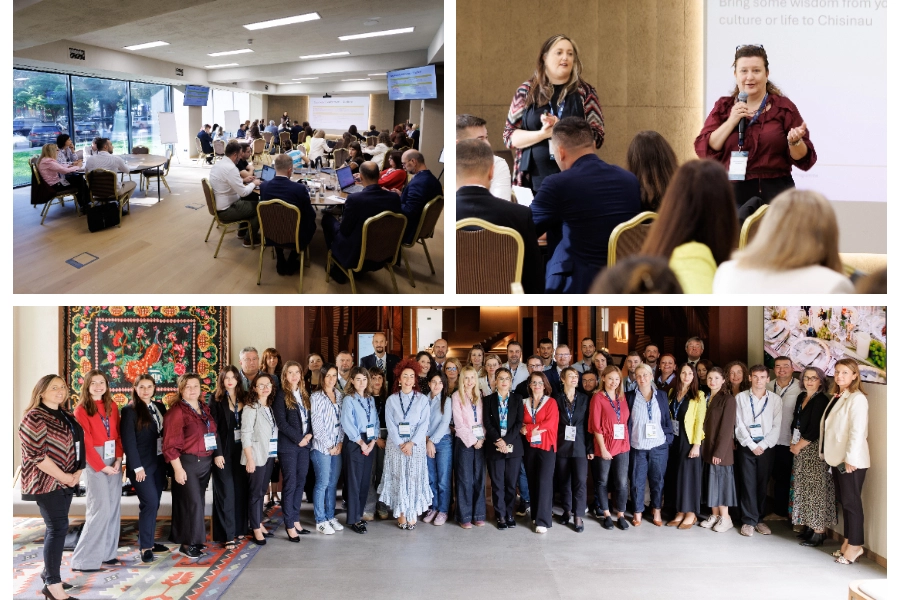
The second cohort of the Ireland for EU Enlargement programme concluded in Chișinău on 22 September, ending a learning journey that began in Dublin in June this year. For 52 public servants who took part, the programme offered more than an opportunity to study EU accession: it created space to work through shared reform challenges with peers from across the Western Balkans, Moldova and Ukraine.
Delivered by Ireland’s Institute of Public Administration (IPA) in partnership with ReSPA and funded by Ireland’s Department of Foreign Affairs and Trade, the programme develops the leadership and practical skills public administrations need to turn accession commitments into lasting institutional change.
Throughout the cohort, participants explored three interconnected areas: justice, the rule of law, and governance; economic institutions and competitiveness; and the digital transformation of government. Alongside this technical work, they practised boundary leadership, the ability to work across institutions, sectors, and borders when one organisation alone cannot deliver complex reforms. They have explored the Accession Mindset as a guiding principle for leadership. They have reflected on how personal preferences shape their thinking and decisions, and considered how critical thinking and self-reflection can help them lead with greater intention. They have also strengthened their interpersonal and institutional communication skills, practised active listening and persuasive communication, and examined ways to navigate cross-cultural and multilingual settings.
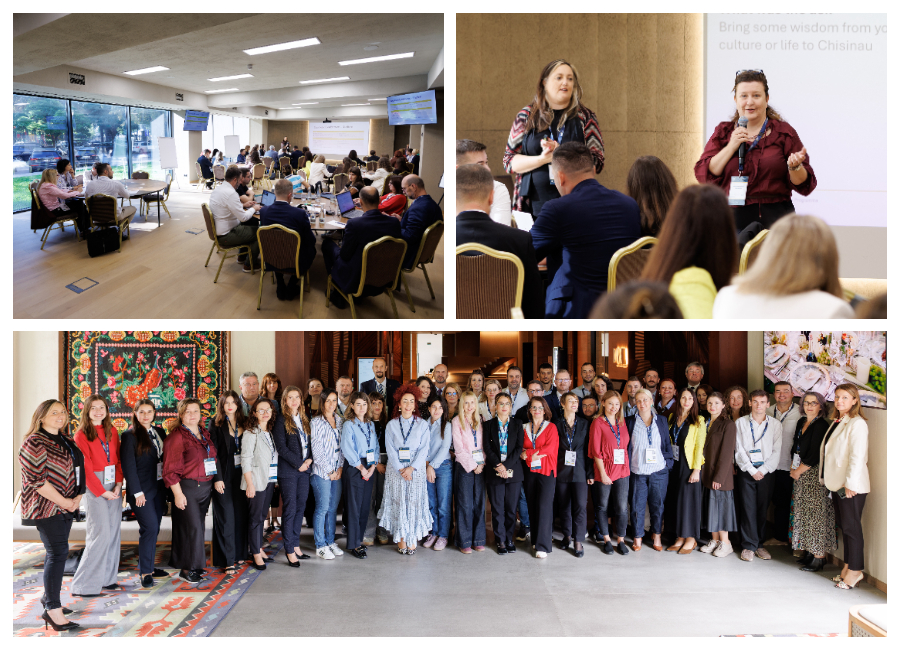
At the Chișinău Module, participants brought evidence and insights from their country investigations into a shared conversation. Together, they compared experiences, challenged assumptions and explored practical recommendations at national and European levels. The aim was to turn a complex dilemma into a clearer understanding of where collective action can make a difference.
Holding the closing event in Chișinău gives this journey particular meaning. The programme began in Ireland, where participants engaged with Irish institutions and their experience of public-sector reform. It concludes in Moldova, placing the perspectives and priorities of an Eastern Neighbourhood accession country at the centre of the conversation. For ReSPA and its Irish partners, this reflects a shared commitment to connecting the Western Balkans and Eastern Neighbourhood as both regions navigate the demands of EU integration.
That commitment is especially timely during Ireland’s 2026 Presidency of the Council of the European Union. Ireland’s support for the programme helps public officials build the relationships and capabilities needed to carry reforms forward in their own administrations, well beyond a single event or cohort.
The second cohort's conclusion also adds momentum to the programme’s growing Community of Practice. Through continued peer exchange and collaboration, participants can draw on the network they have built when they return to the day-to-day work of shaping policy, improving institutions and advancing EU accession.
“Accession is a transitional journey that changes an institution's identity, not a checklist. Leaders who navigate it well make explicit: why the change is needed, what the future institution looks like, how to get there, and what part each person plays. The practice I take away is acting as an internal change agent, who lives the change before asking others to,” said Rozalija Karchicka-Vasilevska, ReSPA Programme Manager.
As the cohort closes in Chișinău, its most important work continues: applying what participants have learned, sharing it with colleagues and sustaining cooperation across borders. ReSPA and Irish partners remain committed to supporting that work - and to strengthening the people and institutions that will shape Europe’s next chapter.